

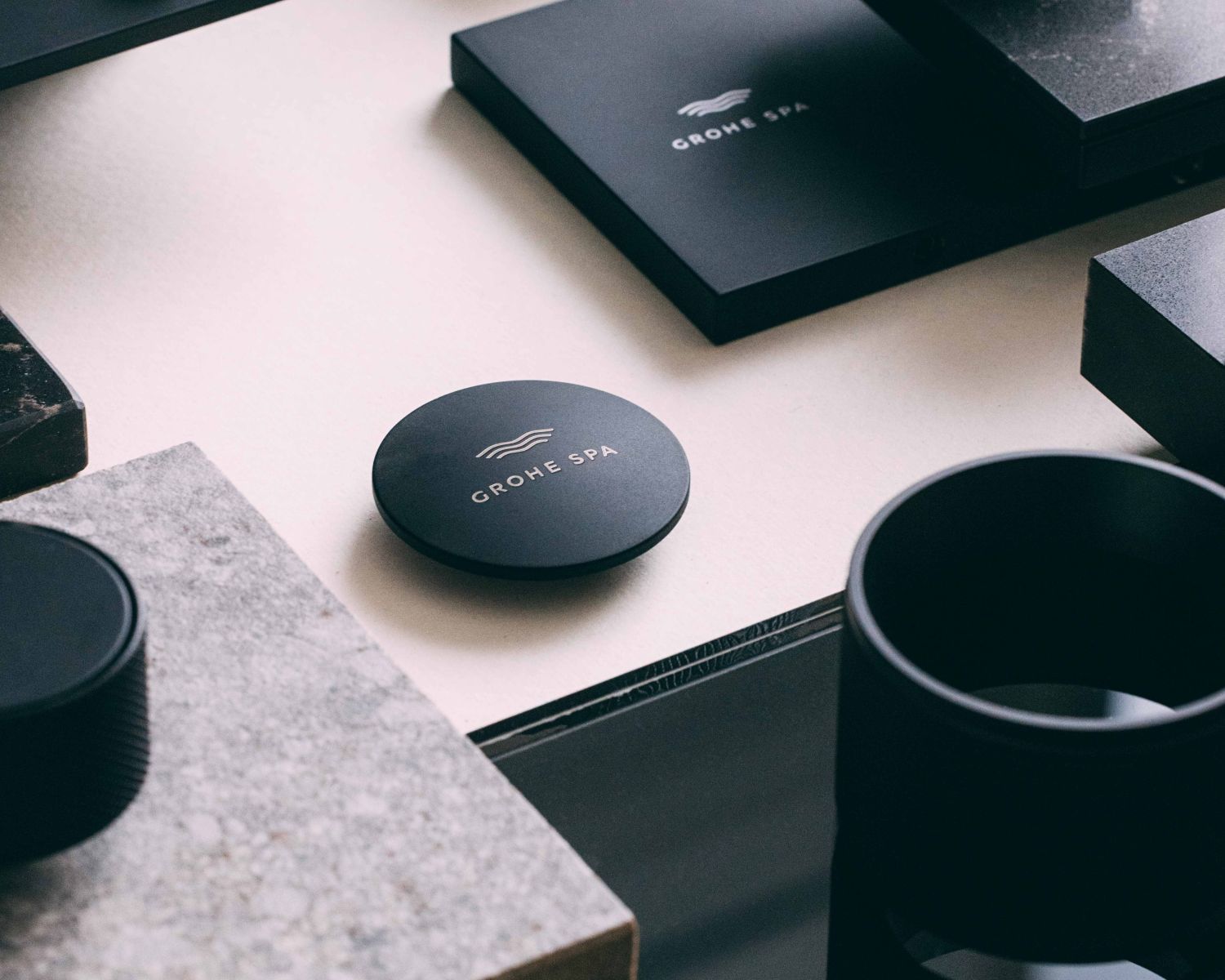
Understanding how people want their homes to look, feel, and function is becoming increasingly essential in shaping the next generation of interior solutions. As lifestyles evolve and expectations rise, consumers are seeking spaces that not only reflect their personal style but also support their daily routines with greater efficiency, comfort and longevity. This shift calls for design and innovation that prioritise human needs first – solutions that blend seamlessly into everyday life while offering meaningful, long-term value.
With this in mind, GROHE has identified three major macro-trends set to influence homes over the next year and beyond. Here, Patrick Speck, leader, LIXIL Global Design, EMENA at LIXIL and GROHE UK explores how timeless finishes, energy-saving technologies and easy-fit installation systems are shaping the design landscape, and what these developments mean for the future of the modern home.
Minimal installation time, maximum impact
In 2026, we expect to see simplicity and speed become key priorities in bathroom design, driven by ongoing skills shortages, rising labour costs and a growing desire to minimise renovation disruption. Homeowners want projects completed quickly and with fewer trades on site, while installers and specifiers are increasingly seeking products that reduce complexity, limit the risk of errors and ensure consistent, reliable results. As a result, streamlined installation is becoming a defining factor in how bathrooms are planned and specified. This shift is fuelling demand for pre-assembled, standardised and modular solutions that remove unnecessary steps and significantly shorten fitting times.
Energy-efficient tech
Another trend leading the way in 2026 will be energy-saving technology to shift from an optional upgrade to a standard expectation in bathroom design. Rising energy costs and increased environmental awareness are encouraging homeowners to prioritise solutions that reduce consumption without compromising comfort. As a result, we expect to see a rise in demand for discreet, built-in technologies that deliver meaningful savings while integrating seamlessly into the overall aesthetic. This trend places emphasis on products that combine intelligent engineering with practical everyday benefits -whether through reduced water usage, heat-recovery systems or efficient flow control.
Timeless finishes
In 2026, we expect the trend for timeless finishes to gain momentum as customers increasingly prioritise materials that balance durability with enduring style. Rather than responding to short-lived trends, people are placing greater value on creating spaces that feel calm, consistent and thoughtfully designed for the long term. This marks a broader shift in how homes are approached, with growing emphasis on quality, longevity and investment pieces that age gracefully. As a result, consumers are seeking finishes that remain relevant even as tastes evolve.